Deviated Nose Surgery in Busan, Korea
Personalized Surgery for Nasal Asymmetry
and Breathing Concerns
Find trusted Deviated Nose Surgery in Busan, Korea, with specialized nasal surgery designed to correct nasal deviation, improve facial symmetry, and address breathing or structural concerns through personalized treatment. Discover foreigner-friendly plastic surgery clinics offering precise nasal evaluations, modern surgical technology, customized treatment plans, and English-speaking support for international patients living in or visiting Busan.
Deviated Nose Surgery in Busan, Korea
Personalized Surgery for Nasal Asymmetry and Breathing Concerns
A deviated nose can affect both facial symmetry and nasal breathing, depending on the underlying structural changes. Deviated nose surgery in Busan, Korea focuses on evaluating the nasal bones, cartilage, septum, and surrounding structures before developing a personalized surgical plan for aesthetic and functional concerns.
For international patients, Busan offers access to plastic surgery and urology/ENT clinics providing private consultations, detailed nasal assessments, customized treatment planning, and postoperative care.
What Is Deviated Nose Surgery?
Deviated nose surgery is a surgical approach used to correct structural nasal asymmetry. Depending on the cause, the deviation may involve the nasal bones, septum, cartilage, or several structures at the same time.
A deviated nose may appear:
- Crooked from the front
- Shifted to one side
- Uneven along the bridge
- Asymmetrical at the nasal tip
- Associated with uneven nostrils
Some patients may also experience functional symptoms such as difficulty breathing through one or both nostrils.
When Should You Consider Deviated Nose Surgery?
Surgery may be considered when nasal deviation causes persistent aesthetic concerns, breathing difficulties, or both.
Common reasons for consultation include:
- A visibly crooked nose
- Difficulty breathing through the nose
- Persistent nasal obstruction
- Nasal asymmetry following an injury
- A deviated septum combined with external deviation
- Uneven nasal tip position
- Changes following previous rhinoplasty
A detailed examination is important because the visible deviation does not always indicate where the underlying structural problem originates.
Why Choose Deviated Nose Surgery?
Correcting the underlying nasal structure may help address both appearance and function when appropriate.
Potential goals include:
- Improving nasal symmetry
- Creating a straighter nasal profile
- Improving nasal airflow when structural obstruction is present
- Correcting certain post-traumatic changes
- Improving the relationship between the nose and surrounding facial features
- Providing greater structural stability
The extent of correction depends on the cause and severity of the deviation.
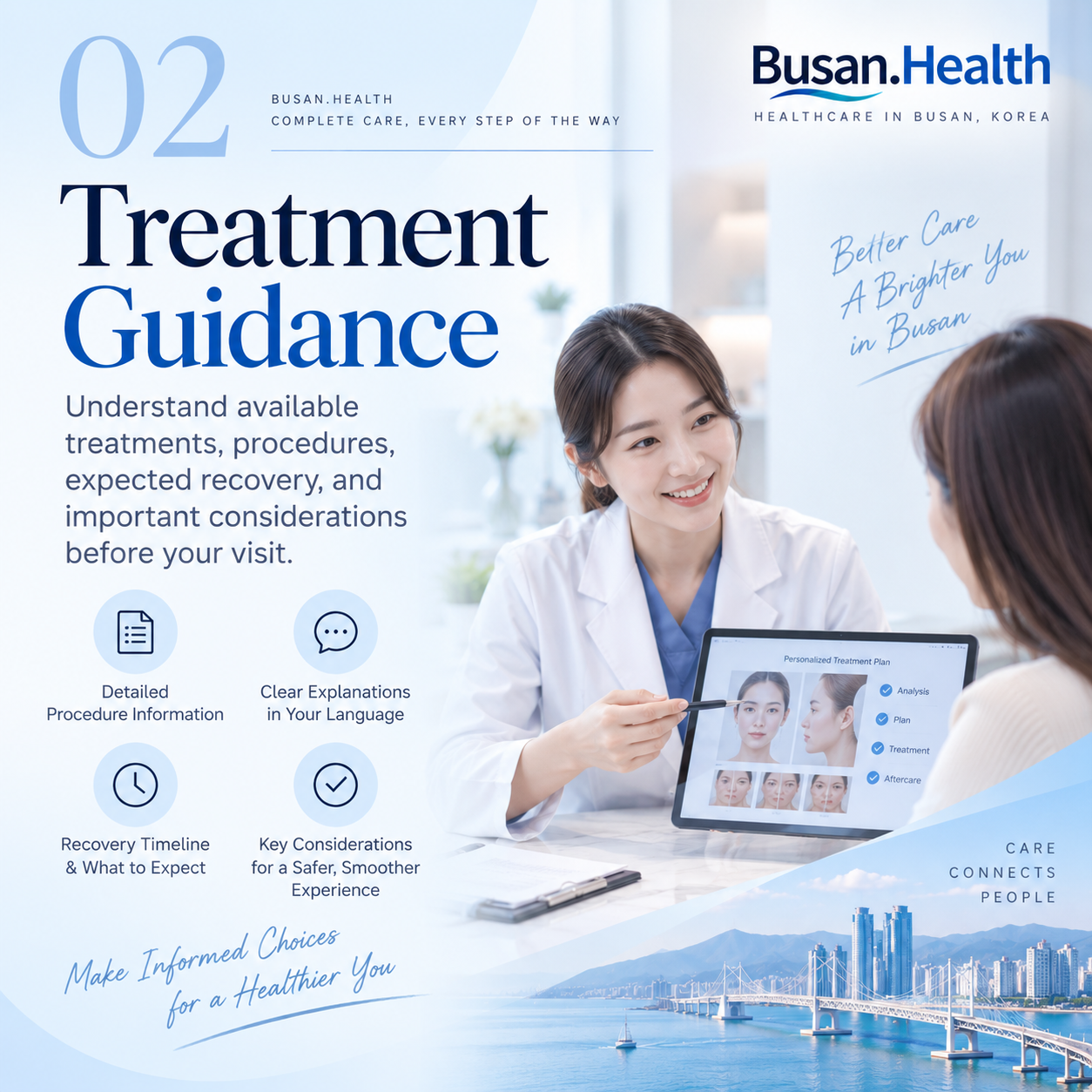
Deviated Nose Surgery Consultation Process in Busan
1. Initial Consultation
The surgeon reviews your nasal concerns, breathing symptoms, medical history, previous injuries, and any prior nasal surgery.
2. Nasal Structural Assessment
The nose is examined from the front, side, and base. The surgeon evaluates the nasal bones, cartilage, septum, nasal tip, symmetry, and internal nasal structures.
3. Functional Evaluation
If breathing difficulties are present, the doctor may perform additional assessments to determine whether septal deviation, enlarged nasal structures, or another condition is contributing to obstruction.
4. Customized Surgical Planning
The surgeon determines which structures need correction and explains whether functional surgery, rhinoplasty, or a combination of techniques may be appropriate.
5. Deviated Nose Surgery
The selected surgical techniques are performed according to the patient's individual anatomy and treatment goals.
6. Postoperative Follow-Up
Follow-up appointments are used to monitor healing, swelling, nasal alignment, and breathing during recovery.
Common Deviated Nose Surgery Techniques
Septoplasty
Septoplasty corrects a deviated nasal septum, the internal structure separating the nasal passages. It may be considered when septal deviation contributes to nasal obstruction.
Osteotomy
Controlled modification of the nasal bones may be used to reposition or realign the bony framework when appropriate.
Cartilage Reshaping
Cartilage may be reshaped or repositioned when it contributes to external nasal deviation or asymmetry.
Functional Rhinoplasty
When external nasal structure and breathing problems are connected, functional rhinoplasty may combine structural correction with aesthetic refinement.
Revision Deviated Nose Surgery
Patients who have previously undergone rhinoplasty may require more complex revision surgery when deviation persists or develops after the original procedure.
Deviated Nose Surgery vs. Septoplasty
Although these procedures can be performed together, they address different aspects of nasal structure.
Septoplasty
- Focuses primarily on the internal nasal septum
- Often performed to improve airflow when septal deviation is present
- May not significantly change the external appearance of the nose
Deviated Nose Surgery
- Can address external nasal bones, cartilage, and overall alignment
- May combine functional and aesthetic correction
- Can include septoplasty when the septum contributes to the deviation
A medical evaluation can determine whether one procedure or a combination is appropriate.
Deviated Nose Surgery in Busan for Foreigners
International patients can receive personalized nasal consultations in Busan with support throughout the surgical process.
Consultation/Assessment → Nasal & Septal Evaluation → Surgical Planning → Deviated Nose Surgery → Recovery → Follow-Up & Aftercare
When choosing a clinic, international patients may consider:
- English-speaking or multilingual consultation support
- Qualified ENT or plastic surgery specialists
- Experience with deviated nose correction
- Functional and aesthetic nasal evaluation
- Customized surgical planning
- Clear explanations of potential risks and limitations
- Professional postoperative monitoring
- Convenient scheduling for international visitors
Patients traveling to Korea should allow sufficient time for postoperative appointments and early recovery before returning home.
What Happens After Deviated Nose Surgery?
Recovery depends on the extent of structural correction and whether septoplasty or rhinoplasty techniques are performed at the same time.
Temporary swelling, bruising, nasal congestion, and sensitivity are common during the early recovery period. Breathing may also feel temporarily restricted while internal tissues heal.
Your surgeon may provide instructions regarding:
- Medication
- Nasal and incision care
- Sleeping position
- Physical activity
- Protecting the nose from pressure or impact
- Follow-up appointments
Nasal alignment and breathing can continue to improve as swelling decreases and tissues heal.
Finding Deviated Nose Surgery in Busan, Korea
When searching for deviated nose surgery in Busan, consider a clinic that evaluates both the external appearance and internal nasal structures.
Look for:
- Qualified ENT or plastic surgery specialists
- Experience with nasal deviation correction
- Functional and aesthetic assessment
- Appropriate diagnostic evaluation
- Customized surgical planning
- Experience with primary and revision cases
- Clear discussion of potential risks and limitations
- Professional postoperative care
- International patient support
A comprehensive evaluation is important because simply straightening the visible portion of the nose may not address an underlying internal structural problem.
Personalized Deviated Nose Surgery Care in Busan
A deviated nose can involve the nasal bones, cartilage, septum, or a combination of structural factors. Deviated nose surgery in Busan, Korea provides access to personalized evaluation and surgical planning aimed at addressing both nasal alignment and functional concerns when appropriate.
If you have a visibly crooked nose, persistent nasal obstruction, or changes following an injury or previous surgery, consulting a qualified ENT or plastic surgeon can help identify the underlying cause and determine the most appropriate treatment approach.